


The Application Process
Universities in the UK
Studying in the UK
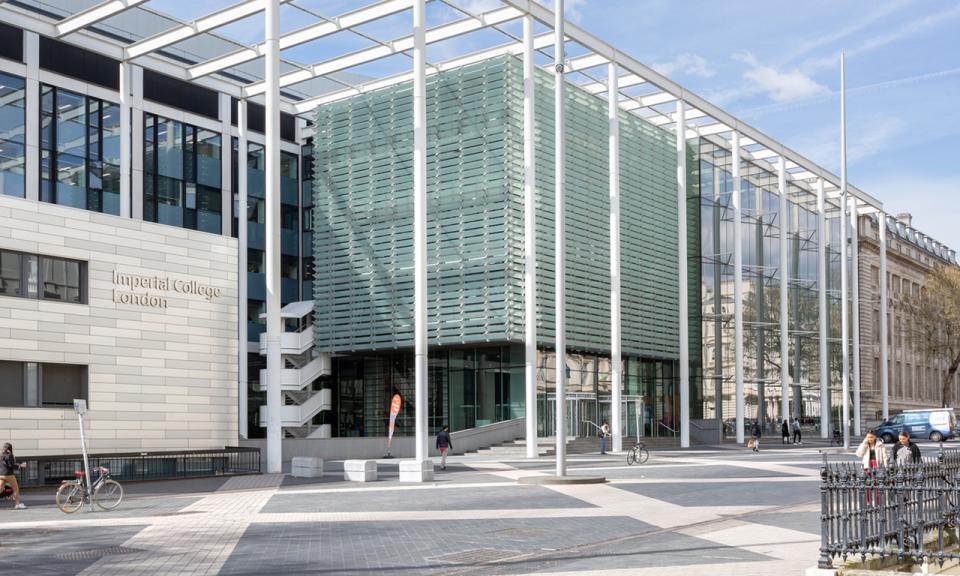
The United Kingdom boasts one of the richest academic heritages in the world. Universities such as Oxford and Cambridge have shaped global scholarship for centuries, while institutions across the Russell Group continue to lead in research, innovation, and professional excellence. This tradition of prestige is balanced with modern relevance, offering a wide spectrum of undergraduate degrees across disciplines including medicine, law, engineering, business, and the creative arts. Courses are typically three years, with some professional pathways extending longer, and are designed to combine academic rigour with career preparation.
Student life in the UK blends historic campuses and cutting-edge facilities with vibrant cultural experiences, from world-class theatres and museums to international student societies. UK universities offer not only an education of global renown but also a safe, structured environment where students can thrive personally and academically.
Primary Application Portal:
UCAS
Centralised system for university applications, choices, and admissions.
Number of Applications:
5
These can be courses from the same or different universities
Average Annual Tuition Fees (UK residents):
€10,925
Fees can vary, depending on the course and institution.
Average Annual Tuition Fees (International Students):
€25,100
Fees vary from around €10,000 – €43,000, depending on the course or insitution.
English Level Requirements:
IELTS 6.0 / 6.5
With no band lower than 5.5 or 6.0. Some insitutions / courses require higher levels.
Application Requirements:
-
Personal Statement
-
Reference Letter
-
Academic Transcripts
-
English Proficiency
Do EU Students Require a Visa?
Yes
Unless students have settled status in the UK or are studying for less than 6 months.
Do Non-EU Students Require a Visa?
Yes
You must have an unconditional offer from a UK university to apply.
The Application Process
Applications to UK universities are managed through UCAS (Universities and Colleges Admissions Service). Students can apply to up to five courses with one form. Applications usually open in September for entry the following year. The early deadline is in October for Oxford, Cambridge, and medicine, dentistry, and veterinary courses, while the main deadline for most courses falls in January. Applications submitted after this may still be considered, with Clearing beginning in July.
From 2026 entry, UCAS will replace the traditional personal statement with structured questions. While almost all undergraduate programmes go through UCAS, some specialist or foundation courses may have separate processes. Additional entry tests or portfolios are also required for certain subjects.

Key Dates
Deadline for all Cambridge and Oxford University courses and the majority of veterinary science, medicine and dentistry courses at all other universities.
You can add choices with a different deadline later, but don’t forget you can only have five choices in total.
General UCAS application deadline (for most undergraduate courses).
You can still apply after this date but universities and colleges do not guarantee to consider applications they receive after 29 January 2026. Some popular courses may not have vacancies after this date.
Please check with individual universities and colleges if you are not sure.
The advice is always to apply as early as possible.
Ucas Extra is the official process for those who've not received any university offers, or for those who've declined the offers they have received. Consider it a second chance at getting a university offer.
After this time, applications are automatically entered into clearing.
Applicants can release themselves into Clearing.
A Level results released in England, Northern Ireland and Wales.